AHK Cinema · Movie Review
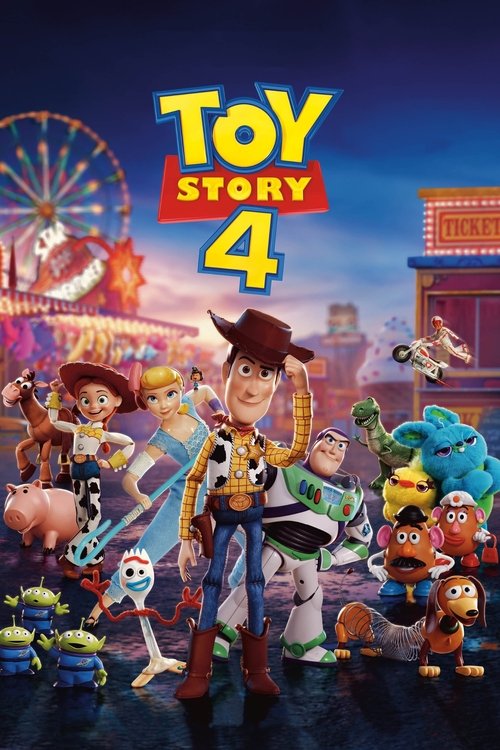
Toy Story 4
2019 Dir. Josh Cooley 100 minBest for CEFR B2
In *Toy Story 4*, Woody's world is turned upside down when Bonnie creates a new toy, Forky. Join Woody on a journey of self-discovery, friendship, and loyalty.
Things You Didn't Know
6 hidden details
1
New Director
Josh Cooley made his directorial debut with *Toy Story 4*. He was previously a storyboard artist for *Inside Out* and *Up*. Cooley brought a fresh perspective to the franchise.
2
Forky Creation
Forky was created by Bonnie using a plastic fork, pipe cleaner, and googly eyes. This character represents the creativity and imagination of children.
3
Returning Characters
*Toy Story 4* sees the return of beloved characters like Bo Peep, who was absent in *Toy Story 3*. Her return adds a new dynamic to the story.
4
New Characters
The film introduces new characters like Duke Caboom, a Canadian stuntman toy, and Gabby Gabby, an antique doll. These characters bring new personalities to the story.
5
Music Composition
The music for *Toy Story 4* was composed by Randy Newman, who has worked on all the films in the franchise. The soundtrack features a mix of old and new themes.
6
Awards and Nominations
*Toy Story 4* won several awards, including the Academy Award for Best Animated Feature. It was also nominated for Best Original Song for 'I Can't Let You Throw Yourself Away'.
The Takeaway
The takeaway from Toy Story 4 is that it's a film about finding your purpose and being true to yourself. Viewers can learn about the importance of loyalty, friendship, and self-discovery. For English learners, it's recommended to watch the scene where Woody and Forky have their first conversation with subtitles to improve listening and reading skills.
The Learning Pack
Watch this film. Speak better English by Sunday.
Vocabulary, idioms, cultural context, and one scene broken down for shadowing practice.
Vocabulary (16)
devoted
earlydedicated to a person or activity
"Woody is devoted to his kid."
reluctant
earlynot willing to do something
"Forky is a reluctant toy."
adventure
middlean exciting or unusual experience
"Woody goes on a road trip adventure."
loyalty
middlethe state of being loyal
"Woody's loyalty is tested."
purpose
middlethe reason for which something is done
"Woody questions his purpose."
challenges
middledifficulties or obstacles
"Woody faces challenges on his journey."
believe
middleto think that something is true
"Woody believes in his abilities."
truly
latereally or actually
"What it truly means to be a toy."
road trip
middlea long journey by car
"Woody and Forky go on a road trip."
environment
latethe surroundings or conditions
"The film features detailed environments."
realistic
latelooking or seeming real
"The characters look more realistic than ever."
engaging
lateinteresting or attractive
"The storyline is engaging."
memorable
lateworth remembering
"The characters are memorable."
concise
latebrief and to the point
"The language used is concise."
accessible
lateeasy to understand or use
"The story is accessible to all ages."
complex
lateconsisting of many different parts
"The film tackles complex themes."
Idioms & Expressions
turn upside down
to completely change or disrupt something
when introducing Forky
make a point
to emphasize or prove something
in discussions between characters
get along
to have a good relationship
between Woody and Forky
take care of
to look after or protect someone
Woody's role
find your place
to discover where you belong
Woody's journey
Cultural References
antique shop
a store that sells old, valuable items
Canadian culture
Duke Caboom is a Canadian character, representing the country's culture
road trip culture
a common activity in the US, where people travel by car for leisure
childhood imagination
the creativity and fantasy of children, as seen in Bonnie's creation of Forky
Scene Breakdown for Shadowing
around 00:20:00
Woody: 'You're a toy!'
Forky: 'I don't wanna be a toy!'
Woody: 'Well, you're a toy.'
Forky: 'But I was made from trash!'
Woody: 'That doesn't matter.'
Forky: 'It does to me!'
This scene is powerful for learners because it introduces the theme of identity and purpose. The vocabulary used, such as 'devoted' and 'reluctant', is useful for learners to understand the context. The conversation between Woody and Forky is a great example of how to use **clear and concise language**. Learners can practice shadowing by repeating the dialogue and trying to use similar phrases in their own conversations.
Watching films isn't enough — you need a plan.
Take the free placement test. We'll match you with a cohort built around films + structured practice.
Start Free Placement Test