AHK Cinema · Movie Review
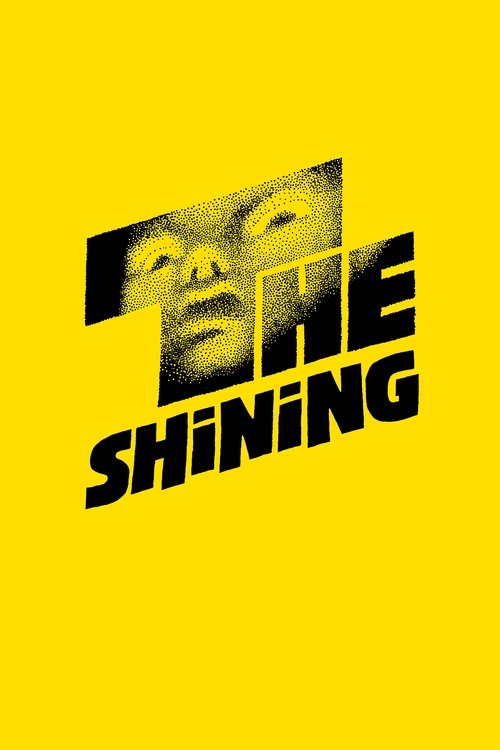
The Shining
1980 Dir. Stanley Kubrick 144 minBest for CEFR C1
Step into the eerie world of Stanley Kubrick's *The Shining*, where isolation breeds madness. This classic horror film is a must-watch for its chilling atmosphere and thought-provoking themes.
Things You Didn't Know
6 hidden details
1
Kubrick's Perfectionism
Stanley Kubrick was known for his perfectionism, and *The Shining* was no exception. He demanded over 60 takes for the infamous 'Here's Johnny!' scene, pushing Jack Nicholson to his limits. This attention to detail is a hallmark of Kubrick's directing style.
2
The Overlook Hotel
The Overlook Hotel was inspired by the Stanley Hotel in Colorado, where Stephen King stayed with his wife. King's experiences at the hotel influenced his writing of the novel, which Kubrick later adapted into the film.
3
Room 237
Room 237 has become an iconic part of horror lore, but it was originally Room 217 in Stephen King's novel. The change was made to avoid disappointing the owners of the Timberline Lodge, which was used for exterior shots of the Overlook Hotel.
4
Shelley Duvall's Struggle
Shelley Duvall had a difficult time working with Kubrick, who pushed her to extreme emotional states. Her character's desperation and fear were, in part, a result of her own real-life struggles during filming.
5
Influence on Pop Culture
The Shining has had a lasting impact on popular culture, with references to the film appearing in everything from *The Simpsons* to *American Horror Story*. Its influence can still be seen in many modern horror films and TV shows.
6
Kubrick's Legacy
Stanley Kubrick's legacy extends far beyond *The Shining*. He is widely regarded as one of the greatest filmmakers of all time, with a body of work that includes *2001: A Space Odyssey*, *A Clockwork Orange*, and *Full Metal Jacket*.
The Takeaway
In conclusion, The Shining is a thought-provoking film that explores the darker aspects of human nature. Through its masterful direction and performances, it teaches viewers about the dangers of isolation and the blurred lines between reality and madness. For English learners, I recommend watching the scene where Jack Torrance types 'All work and no play makes Jack a dull boy' with subtitles to improve reading and listening skills.
The Learning Pack
Watch this film. Speak better English by Sunday.
Vocabulary, idioms, cultural context, and one scene broken down for shadowing practice.
Vocabulary (16)
eerie
earlystrange and frightening
"The old mansion had an eerie atmosphere."
isolation
middlea state of being alone
"The family's isolation in the woods made them feel vulnerable."
claustrophobia
latea fear of enclosed spaces
"The hotel's corridors seemed to close in on me, triggering my claustrophobia."
haunting
middleremaining in your mind long after something has ended
"The film's haunting ending stayed with me for days."
nuance
middlea subtle difference or shade of meaning
"The actor brought nuance to the character, making them more believable."
descent
middlethe act of moving downward
"The character's descent into madness was both fascinating and terrifying."
symmetrical
earlyhaving parts that are the same on both sides
"The hotel's symmetrical design made it feel like a maze."
unease
earlya feeling of discomfort or anxiety
"The film's atmosphere of unease kept me on the edge of my seat."
perfectionism
middlea tendency to demand perfection
"Kubrick's perfectionism was legendary, with some scenes requiring hundreds of takes."
iconic
latefamous and well-known
"The Overlook Hotel has become an iconic symbol of horror."
legacy
latethe things that someone leaves behind
"Kubrick's legacy continues to inspire filmmakers today."
meticulous
earlypaying great attention to detail
"Kubrick was meticulous in his planning and execution of each scene."
tension
earlya feeling of anxiety or stress
"The film builds tension slowly, creating a sense of unease in the viewer."
suspense
middlea feeling of excitement or anxiety about what will happen next
"The film's suspenseful plot kept me guessing until the end."
psychological
middlerelating to the mind or mental processes
"The film is a psychological horror, exploring the characters' inner thoughts and fears."
web
middlea complex system or network
"The film's plot is a complex web of relationships and motives."
Idioms & Expressions
all work and no play
if you only work and do not have fun, you will become bored and unhappy
Jack's typing scene
on the edge of your seat
completely absorbed and excited
any suspenseful scene
push someone to their limits
to force someone to do their best or to make them very tired
Kubrick's directing style
blurred lines
when it is difficult to distinguish between two things
the film's exploration of reality and madness
hallmark of something
a characteristic that is typical of something
Kubrick's perfectionism
Cultural References
The Stanley Hotel
a hotel in Colorado that inspired Stephen King's novel
American horror films
a genre of films that often feature supernatural or terrifying themes
The Simpsons
a popular American animated TV show that often references other films and TV shows
Pop culture references
references to other films, TV shows, or books that are often used to add humor or depth to a story
Scene Breakdown for Shadowing
around 00:42:00
Wendy: 'How long are we going to stay here?'
Jack: 'Forever and ever and ever.'
Wendy: 'You don't mean that.'
Jack: 'I do.'
This scene is a great example of the film's use of tension and suspense. The dialogue is simple, but the atmosphere is charged with unease. Learners can practice shadowing by repeating the lines and trying to match the actors' tone and inflection. Pay attention to the vocabulary used, such as 'forever' and 'ever', which are often used in idiomatic expressions. The scene also highlights the characters' emotional states, with Wendy's concern and Jack's growing instability.
Watching films isn't enough — you need a plan.
Take the free placement test. We'll match you with a cohort built around films + structured practice.
Start Free Placement Test