AHK Cinema · Movie Review
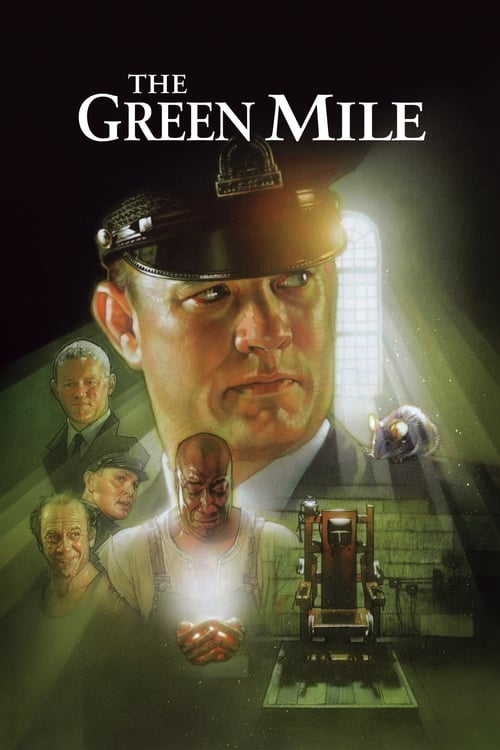
The Green Mile
1999 Dir. Frank Darabont 189 minBest for CEFR C1
Experience the powerful and emotional journey of *The Green Mile*, a film about redemption, justice, and the supernatural, set in a 1930s prison.
Things You Didn't Know
6 hidden details
1
Adaptation Story
The Green Mile is based on a serial novel by Stephen King. The novel was published in six parts, and the film adaptation was written by Frank Darabont. The film stayed true to the original story, with some minor changes.
2
Casting Choice
Michael Clarke Duncan was cast as John Coffey after a powerful audition. He was a former bodyguard and had no prior acting experience, but his performance earned him an Academy Award nomination.
3
Filming Location
The film was shot on location in Tennessee and California. The prison sets were built specifically for the film, and they were designed to resemble a 1930s prison.
4
Awards and Nominations
The Green Mile received four Academy Award nominations, including Best Picture, Best Director, and Best Supporting Actor for Michael Clarke Duncan.
5
Box Office Success
The film was a commercial success, grossing over $285 million worldwide. It received positive reviews from critics, with an approval rating of 80% on Rotten Tomatoes.
6
Historical Context
The film is set in the 1930s, during the Great Depression. The story explores the social and economic issues of the time, including racism and poverty.
The Takeaway
The Green Mile teaches viewers about the importance of compassion, empathy, and understanding. For English learners, it's recommended to watch the scene where Paul Edgecomb first meets John Coffey with subtitles to improve listening and reading skills. This film is a powerful exploration of the human condition, and its themes and characters will leave a lasting impression on viewers.
The Learning Pack
Watch this film. Speak better English by Sunday.
Vocabulary, idioms, cultural context, and one scene broken down for shadowing practice.
Vocabulary (16)
condemned
earlyofficially declared guilty and sentenced to punishment
"The condemned man was led to the execution chamber."
miraculous
middleextremely good or surprising
"The miraculous healing of the sick man was a wonder to behold."
stave
middleto prevent or delay something from happening
"The guards tried to stave off the riot by using tear gas."
allegations
lateclaims or accusations
"The allegations of corruption were investigated by the authorities."
redemption
latethe act of making something or someone better
"The prisoner sought redemption by helping others."
supernatural
middlebeyond the laws of nature or science
"The supernatural events in the film were terrifying."
empathy
middlethe ability to understand and share feelings with others
"The nurse showed empathy towards her patients."
morality
latethe principles of right and wrong behavior
"The film explored the morality of the death penalty."
justice
middlethe system of law and punishment
"The justice system was criticized for its flaws."
guard
earlya person who watches or protects something
"The guard at the prison was very strict."
cell
earlya small room in a prison
"The prisoner was locked in his cell."
block
earlya large building or area
"The prison block was surrounded by high walls."
heal
middleto make someone or something better
"The doctor tried to heal the patient's wound."
ailment
middlea sickness or disease
"The patient suffered from a chronic ailment."
giant
earlyan extremely large or powerful person
"The giant of a man was very strong."
execution
latethe act of putting someone to death
"The execution of the prisoner was a somber event."
Idioms & Expressions
on death row
waiting to be executed
used to describe the prisoners in the film
to stave off
to prevent or delay something
used to describe the guards' actions
to seek redemption
to try to make something or someone better
used to describe the prisoner's actions
to show empathy
to understand and share feelings with others
used to describe the nurse's actions
to explore morality
to examine the principles of right and wrong behavior
used to describe the film's themes
Cultural References
the American prison system
The film provides a glimpse into the harsh realities of life on death row in the United States.
the Great Depression
The film is set during the 1930s, a time of great economic and social change in the United States.
racism in the 1930s
The film touches on the issue of racism and how it affected the lives of African Americans during this time period.
the death penalty
The film explores the moral implications of the death penalty and its effects on those involved.
Scene Breakdown for Shadowing
around 00:42:00
Paul Edgecomb: 'What's your name?'
John Coffey: 'John Coffey, sir.'
Paul Edgecomb: 'Well, John, we're going to get along just fine.'
John Coffey: 'Yes, sir. I think we will.'
Paul Edgecomb: 'You're a big fella, aren't you?'
John Coffey: 'Yes, sir. I am.'
Paul Edgecomb: 'But you don't seem like a killer to me.'
This scene introduces the characters of Paul Edgecomb and John Coffey, and sets the tone for their relationship throughout the film. The vocabulary used is formal and polite, with a sense of curiosity and caution. The idioms used, such as 'to get along', are common in American English and provide a glimpse into the cultural context of the film. For English learners, this scene is a great opportunity to practice shadowing and improve their listening and speaking skills. They can repeat the dialogue and try to mimic the intonation and pronunciation of the actors.
Watching films isn't enough — you need a plan.
Take the free placement test. We'll match you with a cohort built around films + structured practice.
Start Free Placement Test