AHK Cinema · Movie Review
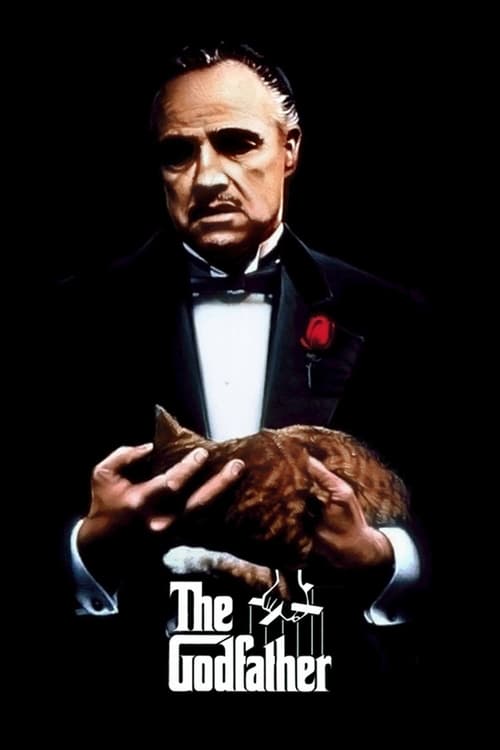
The Godfather
1972 Dir. Francis Ford Coppola 175 minBest for CEFR C1
Explore the world of organized crime through the eyes of the Corleone family in Francis Ford Coppola's *The Godfather*. This epic tale of loyalty, power, and family is widely regarded as one of the greatest films ever made.
Things You Didn't Know
6 hidden details
1
Casting Story
The role of Vito Corleone was originally offered to Ernest Borgnine, but he turned it down. Marlon Brando was then cast in the role, and his performance earned him an Academy Award for Best Actor. Brando's iconic portrayal of Vito Corleone has become synonymous with the character.
2
Hidden Detail
The film's famous 'baptism' scene, where Michael Corleone renounces Satan, was filmed in a real church. The scene was shot in a single take, and the actors were not allowed to rehearse beforehand. This added to the scene's sense of realism and tension.
3
Behind Scenes
Francis Ford Coppola was a relatively new director when he was hired to direct The Godfather. He was only 31 years old at the time, and had previously directed a few low-budget films. Despite his inexperience, Coppola's vision for the film helped to make it a classic.
4
Production Fact
The film's script was written by Francis Ford Coppola and Mario Puzo, who also wrote the novel on which the film is based. The script was heavily influenced by Puzo's own experiences growing up in an Italian-American family.
5
Casting Choice
Al Pacino was a relatively unknown actor when he was cast in the role of Michael Corleone. He was chosen for the role after a long audition process, and his performance in the film helped to launch his career.
6
Awards Won
The Godfather won several awards, including three Academy Awards. The film won Oscars for Best Picture, Best Actor, and Best Adapted Screenplay.
The Takeaway
The Godfather is a film that teaches viewers about the importance of loyalty, family, and the consequences of one's actions. For learners, it's a great opportunity to improve their English skills while learning about American culture and history. I recommend watching the scene where Michael Corleone meets with the other Mafia families with subtitles to get a better understanding of the dialogue and the cultural references. This scene is a great example of how the film explores the themes of power and loyalty, and how these themes are relevant to the learner's own life.
The Learning Pack
Watch this film. Speak better English by Sunday.
Vocabulary, idioms, cultural context, and one scene broken down for shadowing practice.
Vocabulary (16)
nuanced
earlyhaving many subtle differences
"The actor's nuanced performance brought depth to the character"
corrupting
middlehaving a bad influence
"The corrupting influence of power can lead to abuse"
immigrant
middlea person who moves to a new country
"The immigrant experience is a common theme in American literature"
loyalty
latethe state of being loyal
"The character's loyalty to his family was admirable"
consequences
latethe results of a particular action
"The consequences of his actions were severe"
masterful
earlydone with great skill
"The director's masterful handling of the story made the film a success"
engaging
middleinteresting and attention-grabbing
"The film's engaging storyline kept me on the edge of my seat"
thought-provoking
latemaking you think deeply about something
"The film's thought-provoking themes stayed with me long after it ended"
iconic
middlevery well known and widely admired
"The film's iconic scenes have been referenced many times"
synonymous
lateclosely associated with something
"The actor's performance is synonymous with the character"
realism
middlethe quality of being realistic
"The film's realism made it feel very authentic"
tension
latea feeling of anxiety or unease
"The film's tension was palpable throughout"
inexperience
earlylack of experience
"Despite his inexperience, the director did a great job"
vision
middlea clear idea of what you want to achieve
"The director's vision for the film was clear from the start"
influenced
middleaffected or shaped by something
"The film was influenced by the director's personal experiences"
audition
earlya tryout or test for a role
"The actor had to go through a long audition process before getting the part"
Idioms & Expressions
make an offer
to propose something
The scene where the character makes an offer to the other family
turn down
to refuse something
The scene where the character turns down the offer
renounce
to give up or reject something
The baptism scene
on the edge of my seat
very excited or anxious
The scene where the character is waiting for the outcome
stayed with me
remained in my thoughts
The scene where the character reflects on the past
Cultural References
Italian-American culture
The film explores the traditions and values of Italian-American families, including the importance of loyalty and family
American Dream
The film critiques the idea of the American Dream, which is often associated with success and prosperity
Mafia
The film portrays the Mafia as a powerful and secretive organization, with its own code of conduct and rituals
Catholicism
The film includes references to Catholicism, including the baptism scene and the character's faith
Scene Breakdown for Shadowing
around 00:42:00
Michael: 'I know it was you, Fredo.'
Fredo: 'I'm sorry, Mike.'
Michael: 'You're nothing to me now.'
Fredo: 'I'm your brother, Mike.'
Michael: 'You're not my brother.'
This scene is a great example of how the film explores the themes of loyalty and family. The dialogue is tense and emotional, and the actors' performances are superb. For learners, this scene is a great opportunity to practice shadowing, as the language is relatively simple but the emotions and tone are complex. Try repeating the lines after the actors, paying attention to the stress and intonation. This will help you improve your pronunciation and fluency, as well as your understanding of the cultural references and themes.
Watching films isn't enough — you need a plan.
Take the free placement test. We'll match you with a cohort built around films + structured practice.
Start Free Placement Test