AHK Cinema · Movie Review
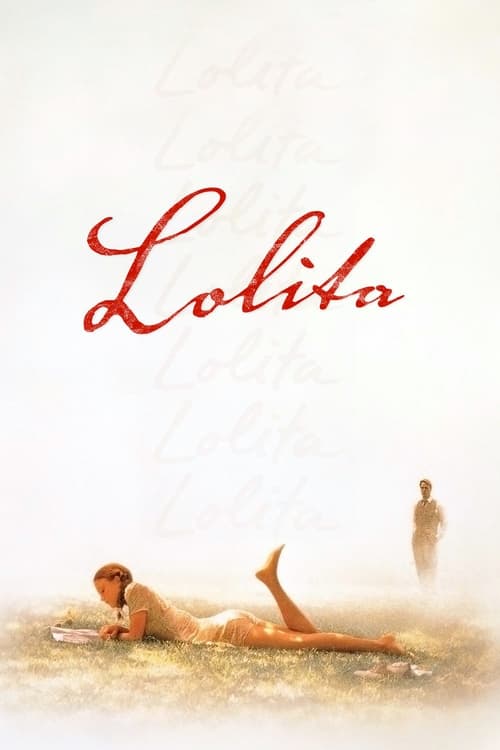
Lolita
1997 Dir. Adrian Lyne 137 minBest for CEFR B2
Adrian Lyne's *Lolita* is a controversial yet thought-provoking film about obsession and desire, exploring the complexities of human relationships.
Things You Didn't Know
6 hidden details
1
Adaptation Challenges
The film *Lolita* was a challenging adaptation due to the controversial nature of the novel. The director, Adrian Lyne, had to balance the dark themes of the story with a sense of elegance and beauty. The film's script was written by Stephen Schiff, who worked closely with Lyne to ensure that the story was told in a way that was both faithful to the novel and respectful to its characters.
2
Casting Decisions
The casting of *Lolita* was a careful process, with the director looking for actors who could bring depth and complexity to their characters. Jeremy Irons was chosen for the role of Humbert Humbert due to his ability to convey a sense of sophistication and elegance, while also being able to portray the character's darker emotions.
3
Filming Locations
The film *Lolita* was shot on location in various parts of the United States, including North Carolina and New York. The director chose these locations for their beauty and charm, which helped to create a sense of atmosphere and mood in the film.
4
Music Composition
The score for *Lolita* was composed by Ennio Morricone, who is known for his work on a wide range of films. The music in *Lolita* is haunting and beautiful, and helps to create a sense of tension and unease in key scenes.
5
Reception and Controversy
The film *Lolita* was released to mixed reviews, with some critics praising its beauty and elegance, while others found it to be disturbing and uncomfortable to watch. The film's controversial themes and content led to it being banned in some countries, and it remains a topic of debate among film scholars and critics.
6
Awards and Nominations
Despite the controversy surrounding it, *Lolita* received several awards and nominations, including an Academy Award nomination for Best Adapted Screenplay. The film's success can be attributed to its thought-provoking themes, strong performances, and beautiful direction.
The Takeaway
The film Lolita teaches viewers about the dangers of obsession and the importance of respecting boundaries in relationships. For English learners, it's recommended to watch the scene where Humbert Humbert first meets Lolita with subtitles to improve listening and comprehension skills. This scene is particularly useful for learning vocabulary related to introductions and first impressions.
The Learning Pack
Watch this film. Speak better English by Sunday.
Vocabulary, idioms, cultural context, and one scene broken down for shadowing practice.
Vocabulary (16)
obsession
earlya state of being completely fixated on something or someone
"Humbert Humbert's obsession with Lolita drives the plot of the film"
vulnerability
middlethe state of being open to physical or emotional attack or harm
"Lolita's vulnerability makes her a target for Humbert's obsession"
elegance
latethe quality of being refined and cultured
"The film's cinematography and score contribute to its overall elegance"
boundary
middlea limit or edge of something
"Humbert Humbert's obsession with Lolita leads him to cross boundaries"
charm
earlythe quality of being pleasing or attractive
"Lolita's charm is one of the things that draws Humbert to her"
sophistication
earlythe quality of being complex or cultured
"Jeremy Irons brings a sense of sophistication to the role of Humbert Humbert"
tension
latea state of being stretched or strained
"The film's score creates a sense of tension in key scenes"
unease
middlea feeling of discomfort or anxiety
"The film's themes and content can create a sense of unease in viewers"
controversy
latea disagreement or dispute, especially about a public issue
"The film *Lolita* was surrounded by controversy due to its themes and content"
adaptation
earlythe process of changing something to make it suitable for a new purpose or audience
"The film *Lolita* is an adaptation of Vladimir Nabokov's novel"
faithful
middletrue to the original or to a standard
"The film's script was written to be faithful to the novel"
respectful
middleshowing respect or consideration for someone or something
"The film's director aimed to be respectful to the characters and themes of the novel"
atmosphere
latethe mood or feeling of a place or situation
"The film's cinematography and score help to create a sense of atmosphere"
mood
latea person's emotional state or feeling at a particular time
"The film's score helps to create a sense of mood in key scenes"
introduction
earlythe act of introducing someone or something
"The scene where Humbert Humbert first meets Lolita is a key introduction in the film"
impression
earlya vague idea or opinion of something
"Humbert Humbert's first impression of Lolita is one of charm and beauty"
Idioms & Expressions
to cross boundaries
to go beyond what is considered acceptable or normal
Humbert Humbert's obsession with Lolita leads him to cross boundaries
to be fixated on something
to be completely focused or obsessed with something
Humbert Humbert is fixated on Lolita
to create a sense of tension
to make someone feel anxious or uncomfortable
The film's score creates a sense of tension in key scenes
to be surrounded by controversy
to be the center of a disagreement or dispute
The film *Lolita* was surrounded by controversy due to its themes and content
to be faithful to something
to be true to the original or to a standard
The film's script was written to be faithful to the novel
Cultural References
American culture
The film *Lolita* explores the complexities of American culture, including its values and social norms
British culture
Humbert Humbert's British background and culture are referenced throughout the film, highlighting the differences between British and American cultures
literary fiction
The film *Lolita* is an adaptation of a literary novel, and explores themes and ideas that are typical of literary fiction
film noir
The film's cinematography and score are reminiscent of film noir, a genre of film that explores dark and complex themes
Scene Breakdown for Shadowing
around 00:42:00
Humbert Humbert: 'You're a lovely, lovely girl, Lolita.'
Lolita: 'Thank you, Mr. Humbert.'
Humbert Humbert: 'Please, call me Humbert.'
Lolita: 'Okay, Humbert.'
Humbert Humbert: 'I must say, you're quite charming.'
Lolita: 'Thanks, I think.'
This scene is a key moment in the film, as it marks the beginning of Humbert Humbert's obsession with Lolita. The dialogue is polite and formal, but there is an undercurrent of tension and unease. The vocabulary used in this scene is formal and sophisticated, with words like 'lovely' and 'charming'. The idioms used, such as 'to be fixated on something', are also noteworthy. For learners, this scene is a good opportunity to practice shadowing, as the dialogue is slow and deliberate. Learners can practice repeating the lines of dialogue, paying close attention to the intonation and pronunciation of the actors.
Watching films isn't enough — you need a plan.
Take the free placement test. We'll match you with a cohort built around films + structured practice.
Start Free Placement Test