AHK Cinema · Movie Review
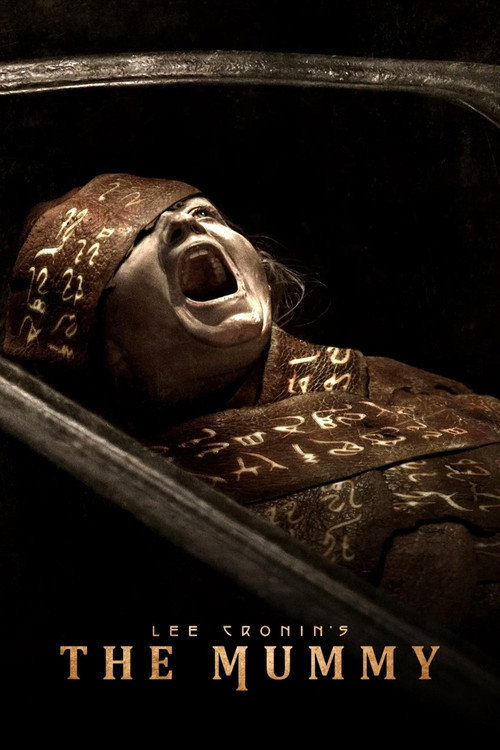
Lee Cronin's The Mummy
2026 Dir. Lee Cronin 133 minBest for CEFR C1
Lee Cronin's *The Mummy* is a thrilling tale of a family's reunion turned nightmare, exploring themes of loss, trauma, and the supernatural.
Things You Didn't Know
6 hidden details
1
Lee Cronin's Vision
Lee Cronin is known for his work in horror, and *The Mummy* showcases his ability to craft unique, terrifying stories. Cronin's vision for the film involved creating a sense of unease from the very beginning, setting the tone for the horrors that follow.
2
Casting Process
The casting process for *The Mummy* involved looking for actors who could bring a sense of realism to their roles. The cast underwent extensive rehearsals to develop the complex family dynamics depicted in the film.
3
Filming Locations
Filming took place in various locations, including deserts and isolated areas, to capture the sense of isolation and fear. The choice of locations played a significant role in setting the atmosphere of the film.
4
Special Effects
The special effects in *The Mummy* were designed to be as realistic as possible, enhancing the supernatural elements of the story without overwhelming the emotional core of the film.
5
Inspiration
Cronin's inspiration for *The Mummy* came from a variety of sources, including classic horror films and personal experiences with loss and grief. This blend of influences contributes to the film's unique narrative.
6
Release and Reception
Upon its release, *The Mummy* received praise for its original take on the horror genre and the strong performances of its cast. The film has been noted for its ability to appeal to both horror fans and those interested in character-driven stories.
The Takeaway
The takeaway from The Mummy is the importance of understanding the emotional nuances of language. Viewers learn about the complexities of human relationships and the power of trauma. For learners, watching the reunion scene with subtitles can provide insight into emotional expressions and dialogue. This film teaches viewers about the significance of empathy and communication in overcoming adversity.
The Learning Pack
Watch this film. Speak better English by Sunday.
Vocabulary, idioms, cultural context, and one scene broken down for shadowing practice.
Vocabulary (16)
nuanced
earlyhaving subtle differences
"The film explores nuanced themes of grief and trauma."
eerie
middlecausing a feeling of fear or unease
"The atmosphere in the house was eerie."
unexplainable
middlecannot be explained
"The events that occurred were unexplainable."
tension
earlya state of anxiety or fear
"The film builds tension from the beginning."
gripping
latevery interesting or exciting
"The story is gripping and hard to predict."
emotional
middlerelated to feelings
"The film explores emotional themes of family and loss."
complex
middleconsisting of many different parts
"The characters in the film are complex and multi-dimensional."
trauma
earlya very upsetting or disturbing experience
"The family dealt with trauma after the disappearance."
reunion
middlethe act of meeting again
"The family's reunion was not what they expected."
nightmare
middlea very bad or frightening dream
"The family's life became a nightmare after the return."
supernatural
latebeyond the laws of nature
"The film involves supernatural elements."
balance
latea state of stability
"The film balances horror and emotional depth."
nuances
middlesubtle differences
"The film explores nuances of human relationships."
empathy
latethe ability to understand and share feelings
"Empathy is crucial in overcoming the family's trauma."
adversity
middlea difficult or unpleasant situation
"The family faces adversity in the form of supernatural events."
overcoming
lateto successfully deal with a problem
"The film teaches about overcoming adversity through empathy and communication."
Idioms & Expressions
on the edge of their seats
extremely interested or excited
used to describe the audience's reaction to the film's tense moments
balance something
to make things equal or stable
used in the context of the film balancing horror and emotional depth
craft something
to make or create something skillfully
used to describe Lee Cronin's direction and the film's special effects
set the tone
to establish the mood or atmosphere
used to describe how the film's beginning sets the tone for the rest of the story
masterfully
done very skillfully
used to describe Lee Cronin's direction and the film's ability to craft tension
Cultural References
The concept of the mummy
In many cultures, mummies are associated with ancient civilizations and supernatural powers. This film draws on those beliefs to create its horror narrative.
Desert landscapes
Deserts are often used in films to symbolize isolation and vastness. In *The Mummy*, the desert plays a crucial role in setting the atmosphere and emphasizing the characters' isolation.
Family dynamics
The film explores complex family relationships, which can vary significantly across different cultures. Understanding these dynamics is crucial for appreciating the emotional depth of the story.
Horror genre
The horror genre is popular worldwide, with different cultures having their unique horror stories and legends. *The Mummy* contributes to this genre with its original take on supernatural horror.
Scene Breakdown for Shadowing
around 00:42:00
Mother: 'What happened to you?'
Daughter: 'I don't know. I just remember being in the desert, and then...'
Mother: 'And then what?'
Daughter: 'I don't know. It's all a blur.'
Mother: 'We're going to figure this out, okay?'
This scene is powerful for learners because it showcases emotional dialogue and the use of everyday language in a dramatic context. The vocabulary used, such as 'blur', can be practiced in shadowing exercises to improve pronunciation and intonation. The scene's emotional depth, coupled with its supernatural elements, makes it a compelling example of how to express complex feelings and ideas in English.
Watching films isn't enough — you need a plan.
Take the free placement test. We'll match you with a cohort built around films + structured practice.
Start Free Placement Test