AHK Cinema · Movie Review
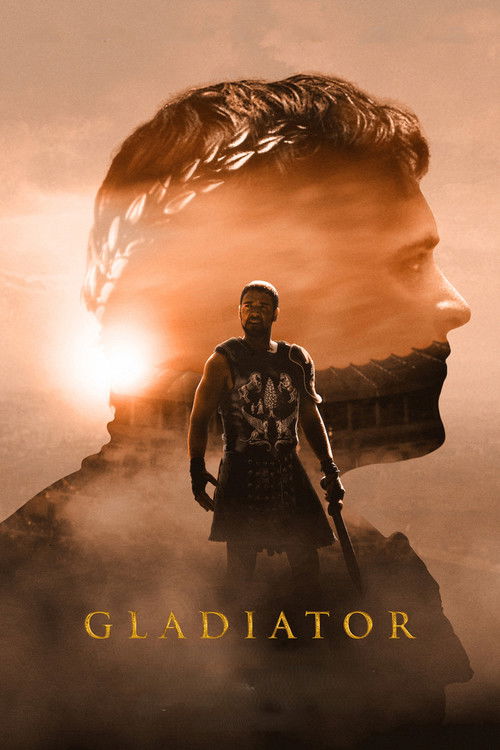
Gladiator
2000 Dir. Ridley Scott 155 minBest for CEFR C1
Experience the epic story of *Gladiator*, a film that takes you back to ancient Rome, where power, loyalty, and honor clash in the arena.
Things You Didn't Know
6 hidden details
1
Ridley Scott's Vision
Ridley Scott had a clear vision for the film, which included building a large-scale replica of the Roman Colosseum. The set was so large that it took over 100 days to build and was used for only a few scenes.
2
Russell Crowe's Preparation
Russell Crowe spent months preparing for his role, including learning sword fighting and horse riding. He also worked closely with the stunt team to ensure that the action scenes were realistic and intense.
3
Historical Accuracy
The film's costume designer, Janty Yates, worked closely with historians to ensure that the costumes were accurate and reflective of the time period. The film's attention to detail paid off, with many praising its historical accuracy.
4
Oliver Reed's Final Role
Oliver Reed's role in *Gladiator* was his final film appearance before his death. Reed's performance was widely praised, and he received a posthumous Academy Award nomination for his role.
5
The Film's Score
The film's score, composed by Hans Zimmer and Lisa Gerrard, was widely praised and won several awards, including the Academy Award for Best Original Score.
6
Awards and Nominations
Gladiator was nominated for 12 Academy Awards and won 5, including Best Picture and Best Actor for Russell Crowe.
The Takeaway
In conclusion, Gladiator is a must-see film that offers something for everyone: stunning visuals, powerful performances, and a gripping storyline. The film teaches viewers about the importance of loyalty, honor, and redemption, and provides a unique glimpse into ancient Roman culture. For English learners, I recommend watching the scene where Maximus first enters the Colosseum with subtitles to improve your listening and reading skills.
The Learning Pack
Watch this film. Speak better English by Sunday.
Vocabulary, idioms, cultural context, and one scene broken down for shadowing practice.
Vocabulary (15)
devious
earlycunning and sly
"The devious plan was to overthrow the emperor."
demote
middleto lower someone's rank or position
"Maximus was demoted from his position as general."
amusement
latesomething that entertains or gives pleasure
"The gladiators fought for the amusement of the crowd."
colosseum
middlea large amphitheater
"The gladiators fought in the Colosseum."
emperor
earlya powerful ruler
"The emperor was the ruler of Rome."
general
earlya high-ranking military officer
"Maximus was a general in the Roman army."
gladiator
middlea fighter who entertains the crowd
"Maximus became a gladiator."
honor
latea quality of being honest and having integrity
"Maximus fought to regain his honor."
loyalty
earlythe quality of being faithful and devoted
"Maximus was loyal to the emperor."
power
earlythe ability to control or influence others
"The emperor had great power."
redemption
latethe act of making something right
"Maximus sought redemption for his past mistakes."
revenge
middlethe act of punishing someone for a wrong
"Maximus sought revenge against the emperor."
rival
middlea person who competes with another
"Maximus and the emperor were rivals."
sword
middlea weapon with a blade
"The gladiators fought with swords."
victory
latethe state of winning
"Maximus achieved victory in the arena."
Idioms & Expressions
to the death
until one person is killed
used in the context of gladiatorial combat
at all costs
no matter what the price or sacrifice
used to describe the emperor's desire for power
by any means necessary
using any method or tactic
used to describe the emperor's ruthless pursuit of power
in the spotlight
being the center of attention
used to describe the gladiators' experience in the arena
on the brink of
very close to something
used to describe the emperor's precarious position
Cultural References
Roman Empire
The Roman Empire was a vast and powerful state that existed from 27 BC to 476 AD. It was known for its military conquests, architectural achievements, and cultural contributions.
Gladiatorial combat
Gladiatorial combat was a form of entertainment in ancient Rome, where fighters would engage in battles to the death for the amusement of the crowd.
Roman Colosseum
The Roman Colosseum was a large amphitheater in the center of Rome, where gladiatorial combat and other public events were held.
Roman Senate
The Roman Senate was a governing body in ancient Rome, composed of wealthy and influential citizens who advised the emperor on matters of state.
Scene Breakdown for Shadowing
around 00:42:00
Maximus: 'My name is Maximus Decimus Meridius. I am a general of the Roman army.'
Commodus: 'You are a gladiator now.'
Maximus: 'I will not fight.'
Commodus: 'You will fight, and you will die.'
This scene is powerful for learners because it introduces the main character and sets the tone for the rest of the film. The vocabulary used is formal and dramatic, with words like 'general' and 'gladiator'. The idioms used, such as 'to the death', add to the sense of tension and danger. To practice shadowing, learners can repeat the dialogue after the actors, paying close attention to the pronunciation and intonation. This will help them improve their speaking skills and build confidence in using formal language.
Watching films isn't enough — you need a plan.
Take the free placement test. We'll match you with a cohort built around films + structured practice.
Start Free Placement Test