AHK Cinema · Movie Review
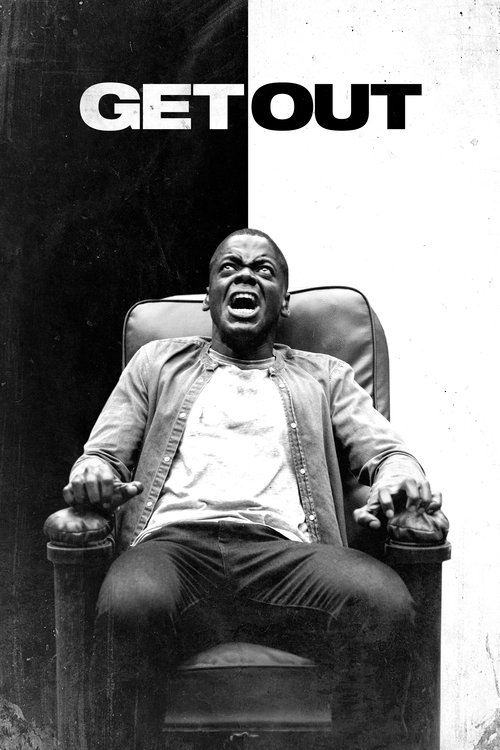
Get Out
2017 Dir. Jordan Peele 104 minBest for CEFR B2
Get Out is a psychological horror film that combines social commentary with thrilling suspense. Released in 2017, it marks Jordan Peele's directorial debut and has received widespread critical acclaim for its originality and thought-provoking themes.
Things You Didn't Know
6 hidden details
1
Jordan Peele's Inspiration
Jordan Peele has stated that he was inspired to write Get Out after experiencing feelings of unease and discomfort during his own interactions with his white girlfriend's family. He wanted to explore the idea of being an outsider in a seemingly idyllic community.
2
Casting Process
The casting process for Get Out was rigorous, with Jordan Peele holding multiple auditions to find the perfect actors for each role. Daniel Kaluuya was cast as Chris after a series of impressive auditions.
3
Filming Locations
The film was shot on location in upstate New York, with the Armitage family's estate being a real house in the area. The production team chose this location for its eerie and isolated atmosphere.
4
Racial Commentary
Get Out has been praised for its thought-provoking commentary on racism and privilege. The film uses the horror genre to explore themes of oppression and marginalization.
5
Awards and Accolades
Get Out received widespread critical acclaim, earning several awards and nominations, including the Academy Award for Best Original Screenplay.
6
Box Office Success
The film was a commercial success, grossing over $255 million worldwide on a budget of just $4.5 million. This made it one of the most profitable films of 2017.
The Takeaway
Get Out is a film that will leave viewers thinking long after the credits roll. It teaches us about the importance of empathy, understanding, and the dangers of making assumptions about others. For English learners, I recommend watching the scene where Chris first meets Rose's family with subtitles to better understand the nuances of the dialogue and the subtle hints of racism that are present from the beginning. This scene sets the tone for the rest of the film and provides valuable insight into the characters' motivations.
The Learning Pack
Watch this film. Speak better English by Sunday.
Vocabulary, idioms, cultural context, and one scene broken down for shadowing practice.
Vocabulary (16)
nuanced
middlehaving subtle differences or shades of meaning
"The film's portrayal of racism was nuanced and thought-provoking."
fetishization
latethe act of treating something or someone as an object of obsession or desire
"The film critiques the fetishization of black bodies in white culture."
idyllic
earlyextremely happy or peaceful
"The Armitage family's estate seemed idyllic at first, but it hid a dark secret."
marginalization
middlethe act of treating someone or a group as unimportant or inferior
"The film explores the marginalization of African Americans in white-dominated communities."
oppression
latethe act of treating someone or a group unfairly or cruelly
"The film highlights the oppression of African Americans throughout history."
subtle
middlenot obvious or noticeable
"The film's use of subtle hints and clues kept the audience engaged."
suspense
middlea feeling of excitement or anxiety about what will happen next
"The film's use of suspense kept the audience on the edge of their seats."
thrilling
lateexciting or frightening
"The film's thrilling plot twists kept the audience engaged."
unease
earlya feeling of discomfort or anxiety
"Chris felt a sense of unease when he first met Rose's family."
weave
middleto combine different things in a skillful way
"The film's director wove together elements of horror and comedy to create a unique viewing experience."
widespread
lateexisting or happening in many places
"The film received widespread critical acclaim."
thought-provoking
latemaking you think deeply about something
"The film's themes were thought-provoking and sparked important discussions."
originality
latethe quality of being new or unique
"The film's originality was praised by critics and audiences alike."
acclaim
lategreat praise or approval
"The film received critical acclaim for its performances and direction."
psychological
middlerelating to the study of the mind and its functions
"The film's psychological horror elements were unsettling and disturbing."
sinister
lategiving a feeling of evil or threat
"The film's sinister plot twists kept the audience engaged."
Idioms & Expressions
on the edge of their seats
completely engaged and interested
used to describe the audience's reaction to the film's suspenseful plot
set the tone
to establish the mood or atmosphere
used to describe the first scene where Chris meets Rose's family
think critically
to analyze and evaluate information carefully
used to describe the audience's reaction to the film's themes and issues
make assumptions
to assume something is true without evidence
used to describe Chris's initial impressions of Rose's family
leave someone thinking
to make someone think deeply about something after it has ended
used to describe the film's lasting impact on the audience
Cultural References
interracial relationships
relationships between people of different racial or ethnic backgrounds, which can be a sensitive topic in some cultures
white privilege
the unearned advantages and benefits that white people receive in society, often at the expense of people of color
African American experiences
the unique cultural, social, and historical experiences of African Americans, which are often shaped by racism and oppression
upstate New York
a region in the state of New York that is known for its rural landscapes and wealthy communities, often contrasted with the urban areas of New York City
Scene Breakdown for Shadowing
around 00:42:00
Chris: 'I don't know what you're talking about.'
Rose: 'Come on, Chris. You know exactly what I'm talking about.'
Chris: 'No, I don't.'
Rose: 'Fine. If you want to play it that way.'
Chris: 'What's going on, Rose?'
Rose: 'Nothing. Just forget it.'
This scene is powerful for learners because it showcases the subtle tension and unease that can exist in relationships. The vocabulary used is nuanced, with phrases like 'I don't know what you're talking about' and 'Come on, Chris.' The idioms used, such as 'play it that way,' are also useful for learners to understand. To practice shadowing, learners can repeat the dialogue and try to mimic the intonation and rhythm of the actors.
Watching films isn't enough — you need a plan.
Take the free placement test. We'll match you with a cohort built around films + structured practice.
Start Free Placement Test