AHK Cinema · Movie Review
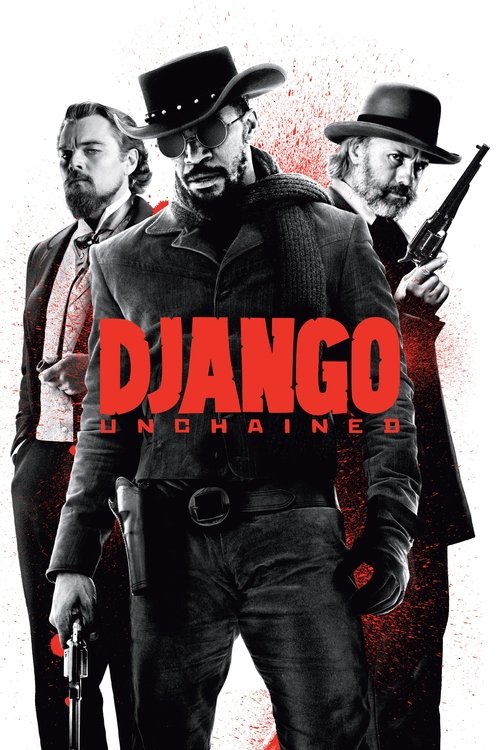
Django Unchained
2012 Dir. Quentin Tarantino 165 minBest for CEFR C1
Quentin Tarantino's *Django Unchained* is a western epic that combines stunning visuals, memorable characters, and a gripping storyline, making it a must-watch for film enthusiasts and English learners alike.
Things You Didn't Know
6 hidden details
1
Tarantino's Writing
Quentin Tarantino spent over a year writing the screenplay for *Django Unchained*. He drew inspiration from classic Spaghetti Westerns and the history of slavery in the United States. The script was heavily influenced by his own fascination with the era and his desire to create a unique and captivating story.
2
Christoph Waltz
Christoph Waltz, who played Dr. King Schultz, is an Austrian-German actor. He won the Academy Award for Best Supporting Actor for his portrayal of the character. Waltz's performance was widely praised for its nuance and depth, bringing a level of complexity to the film that was essential to its success.
3
Leonardo DiCaprio
Leonardo DiCaprio, who played the role of Calvin Candie, underwent significant preparation for his character. He spent hours in the makeup chair each day to achieve the desired look and worked closely with Tarantino to develop the character's personality and mannerisms.
4
Jamie Foxx
Jamie Foxx, who played the lead role of Django, was Tarantino's first choice for the part. Foxx underwent extensive training to prepare for the role, including learning how to ride a horse and handle guns. His performance was widely praised, and he brought a level of authenticity to the character that was essential to the film's success.
5
Historical Accuracy
The film's attention to historical detail is impressive, with many of the sets and costumes being meticulously researched and recreated. However, some artistic liberties were taken to enhance the story and characters. The film's portrayal of slavery and the treatment of slaves is brutal and unflinching, but it's also a powerful commentary on the era.
6
Awards and Nominations
Django Unchained received widespread critical acclaim and won several awards, including two Academy Awards. The film was nominated for a total of five Oscars, including Best Picture, and won for Best Original Screenplay and Best Supporting Actor for Christoph Waltz.
The Takeaway
The takeaway from Django Unchained is that it's a powerful exploration of one of the darkest periods in American history. For English learners, it's essential to watch the scene where Django and Dr. Schultz discuss their plan to rescue Django's wife, Broomhilda, with subtitles to fully grasp the nuances of the conversation. This film teaches viewers about the importance of empathy, courage, and the unbreakable bonds of friendship and love.
The Learning Pack
Watch this film. Speak better English by Sunday.
Vocabulary, idioms, cultural context, and one scene broken down for shadowing practice.
Vocabulary (16)
bounty
earlya reward for catching someone
"The bounty hunter was paid a large sum of money for bringing in the outlaw."
plantation
middlea large farm in the US where crops are grown
"The plantation owner was known for his cruel treatment of slaves."
brutal
middlecruel and violent
"The brutal treatment of slaves was a harsh reality of the era."
emancipation
latethe act of freeing someone from slavery
"The emancipation of slaves was a major goal of the abolitionist movement."
abolitionist
latesomeone who wants to end slavery
"The abolitionist movement was a powerful force in the fight against slavery."
nuance
middlea subtle difference or shade of meaning
"The actor brought a level of nuance to the character that was essential to the film's success."
complexity
middlethe state of being complex or complicated
"The complexity of the character was what made the film so compelling."
captivating
earlyattracting and holding someone's attention
"The film was captivating from start to finish, with a gripping storyline and memorable characters."
empowerment
latethe act of giving someone the power to do something
"The film was a powerful exploration of empowerment and the fight against oppression."
authenticity
middlethe quality of being genuine or real
"The actor brought a level of authenticity to the character that was essential to the film's success."
unflinching
lateshowing no signs of fear or weakness
"The film's portrayal of slavery was unflinching and brutal, but it was also a powerful commentary on the era."
liberation
latethe act of freeing someone from slavery or oppression
"The liberation of slaves was a major goal of the abolitionist movement."
narrative
middlea story or account of events
"The film's narrative was complex and engaging, with a gripping storyline and memorable characters."
cinematography
middlethe art of making motion pictures
"The film's cinematography was breathtaking, capturing the beauty and brutality of the era."
genre
earlya category of films or literature
"The film was a western epic, with a unique blend of action, drama, and comedy."
nuances
middlesubtle differences or shades of meaning
"The actor brought a level of nuance to the character that was essential to the film's success."
Idioms & Expressions
to break free
to escape or become independent
when Django and Dr. Schultz discuss their plan to rescue Broomhilda
to take a stand
to show support or opposition for something
when Django confronts Calvin Candie
to make a deal
to reach an agreement or compromise
when Dr. Schultz and Calvin Candie negotiate
to ride off into the sunset
to leave a place or situation, often in a romantic or triumphant manner
the final scene of the film
to get caught up in
to become involved or distracted by something
when Django and Dr. Schultz get caught up in the chaos of the plantation
Cultural References
Spaghetti Westerns
a subgenre of western films that originated in Italy, known for their low budgets and gritty style
American South
the southern region of the United States, known for its rich history, cultural heritage, and complex social dynamics
slavery in the US
the institution of slavery that existed in the United States from the 17th to the 19th century, which was marked by brutality, oppression, and resistance
abolitionist movement
a social and political movement that aimed to end slavery and achieve equal rights for African Americans in the United States
Scene Breakdown for Shadowing
around 00:42:00
Dr. Schultz: 'You're a bounty hunter, Django. You're a natural.'
Django: 'I'm a slave, Dr. Schultz.'
Dr. Schultz: 'Not anymore, my friend. Not anymore.'
Django: 'What do you mean?'
Dr. Schultz: 'I mean you're free, Django. You're a free man.'
This scene is powerful for learners because it showcases the complexity of the characters and their relationships. The vocabulary used is rich and nuanced, with phrases like 'bounty hunter' and 'natural' that can help learners improve their comprehension and communication skills. The scene also highlights the themes of freedom and empowerment, which are central to the film. To practice shadowing, learners can try repeating the dialogue and paying attention to the intonation and rhythm of the actors' speech.
Watching films isn't enough — you need a plan.
Take the free placement test. We'll match you with a cohort built around films + structured practice.
Start Free Placement Test