AHK Cinema · Movie Review
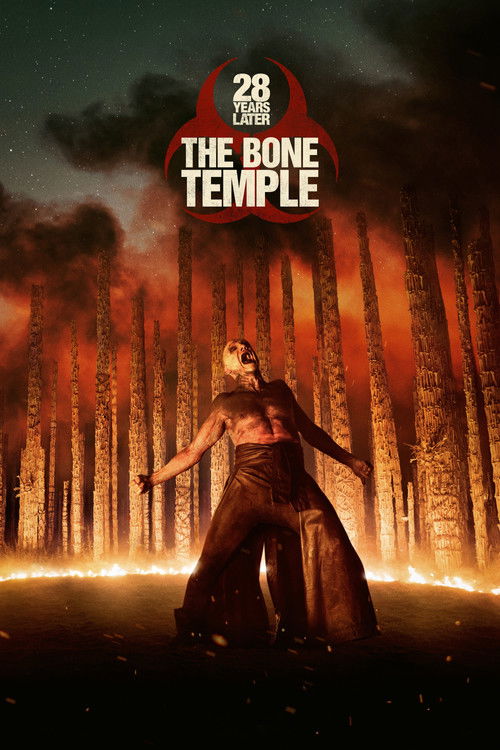
28 Years Later: The Bone Temple
2026 Dir. Nia DaCosta 109 minBest for CEFR B2
Get ready for a thrilling ride with 28 Years Later: The Bone Temple, where relationships and nightmares collide in a world-changing adventure.
Things You Didn't Know
6 hidden details
1
Nia DaCosta's Vision
Nia DaCosta is known for her work in horror and thriller genres. She brings a unique perspective to 28 Years Later: The Bone Temple, blending horror with sci-fi to create a captivating narrative. Her vision for the film includes exploring the psychological effects of fear and trauma on characters.
2
Casting Process
The casting process for the film involved looking for actors who could bring depth and complexity to their roles. The cast underwent extensive preparation to understand their characters' motivations and backstories, which is evident in their performances.
3
Special Effects
The special effects in 28 Years Later: The Bone Temple are noteworthy, creating a believable and immersive world for the audience. The team used a combination of practical and CGI effects to achieve the desired look and feel.
4
Location Shooting
The film was shot on location in various parts of the world, adding to its authenticity and visual appeal. The locations were chosen for their unique landscapes and ability to enhance the story's atmosphere.
5
Score Composition
The score for 28 Years Later: The Bone Temple was composed to reflect the film's tense and suspenseful nature. The music plays a crucial role in setting the mood and heightening the audience's emotional response.
6
Premiere and Reception
The film premiered at a major film festival, receiving positive reviews from critics and audiences alike. It has been praised for its original storyline, strong performances, and effective direction.
The Takeaway
The takeaway from 28 Years Later: The Bone Temple is that relationships can have profound effects on our lives and the world around us. For learners, it's recommended to watch the scene where Dr. Kelson first meets his new partner with subtitles to grasp the nuances of their interaction and the vocabulary used. This film teaches viewers about the importance of human connections and how they can lead to both positive and negative outcomes.
The Learning Pack
Watch this film. Speak better English by Sunday.
Vocabulary, idioms, cultural context, and one scene broken down for shadowing practice.
Vocabulary (16)
suspense
earlya feeling of excitement or anxiety about what is going to happen
"The movie kept me in suspense until the very end."
narrative
middlethe story or plot of a book, movie, etc.
"The narrative of the film is complex and engaging."
nuances
latesmall differences or details that are not immediately obvious
"The actor brought nuances to the character that made it more believable."
profound
middlevery great or strong
"The experience had a profound effect on her life."
captivating
earlyattracting and holding someone's attention
"The captivating storyline kept me watching until the end."
trauma
middlea very upsetting or disturbing experience
"The character suffered from trauma after the accident."
motivations
middlereasons for doing something
"Understanding the character's motivations helped me understand their actions."
backstories
middlethe history or background of a character
"The film provided insight into the characters' backstories, making them more relatable."
authenticity
latethe quality of being genuine or real
"The film's attention to historical detail added to its authenticity."
visual appeal
latethe quality of being pleasing to look at
"The film's visual appeal was enhanced by its stunning cinematography."
emotional response
latea feeling or reaction to something
"The movie evoked a strong emotional response from the audience."
premiere
latethe first public performance of a film, play, etc.
"The film premiered at a major festival, receiving positive reviews."
original
middlenew or unusual
"The film's original storyline set it apart from other movies in the genre."
effective
lateproducing the desired or intended result
"The film's direction was effective in creating a tense atmosphere."
genre
earlya type or category of film, music, etc.
"The film belongs to the horror genre."
atmosphere
middlethe feeling or mood of a place
"The film created a tense atmosphere that kept me on the edge of my seat."
Idioms & Expressions
in a nutshell
to summarize or describe something briefly
used in a conversation between characters to summarize a complex situation
call it a day
to stop what you are doing because you are tired or it is late
used by a character to suggest ending a long and tiring day
on the edge of my seat
very excited or anxious about what is going to happen
used by a character to describe their experience while watching a suspenseful movie
set apart
to make something different or special
used to describe how the film's original storyline distinguishes it from others in the genre
heighten the mood
to make a feeling or atmosphere stronger
used to describe the effect of the music on the audience's emotional response
Cultural References
film genres
Film genres are categories used to classify movies based on their themes, styles, or content. Understanding genres can help viewers appreciate the film's context and intentions.
film festivals
Film festivals are events where new movies are shown to audiences, often with the presence of the filmmakers. They provide a platform for films to gain recognition and receive feedback from critics and audiences.
cinematography
Cinematography refers to the art and technique of filming movies, including the use of cameras, lighting, and other visual elements. It plays a crucial role in creating the visual appeal and atmosphere of a film.
score composition
Score composition is the process of creating music for a film. The score can significantly impact the audience's emotional response and is often tailored to enhance specific scenes or moments in the movie.
Scene Breakdown for Shadowing
around 00:42:00
Dr. Kelson: 'I've never felt this way before.'
Partner: 'I know exactly what you mean.'
Dr. Kelson: 'It's as if our worlds have collided.'
Partner: 'In a way, they have.'
Dr. Kelson: 'I'm not sure what the future holds, but I'm excited to find out.'
This scene is powerful for learners because it showcases a natural conversation between two characters, using everyday vocabulary and idioms. The dialogue is easy to follow, making it perfect for shadowing practice. Learners can repeat the lines to improve their pronunciation and intonation, and then try to create their own conversations using similar vocabulary and structures. The scene also highlights the importance of non-verbal communication, such as body language and facial expressions, which can be observed and practiced by learners.
Watching films isn't enough — you need a plan.
Take the free placement test. We'll match you with a cohort built around films + structured practice.
Start Free Placement Test